

Luke McNamara
The 24 Hours of Le Mans is widely considered one of circuit racing’s toughest challenges.
Finishing this race is, in itself, a victory. Drivers take on twenty-four hours of flat-out non-stop racing at well over 200mph in the pitch black through closed public roads in the French countryside with only the scarlet glow of brake lights in front of you and the smell of campsite BBQs eking their way into the cockpit. Earl Bamber, upon winning, called it “the toughest race on the planet”.
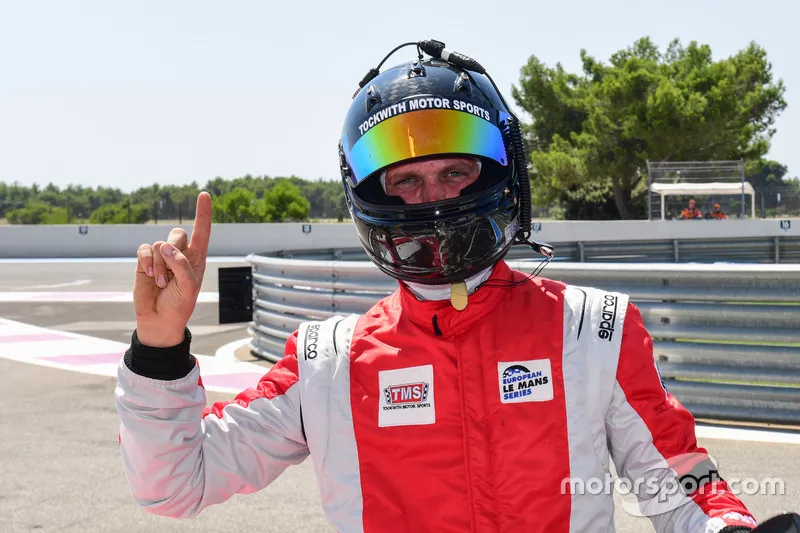
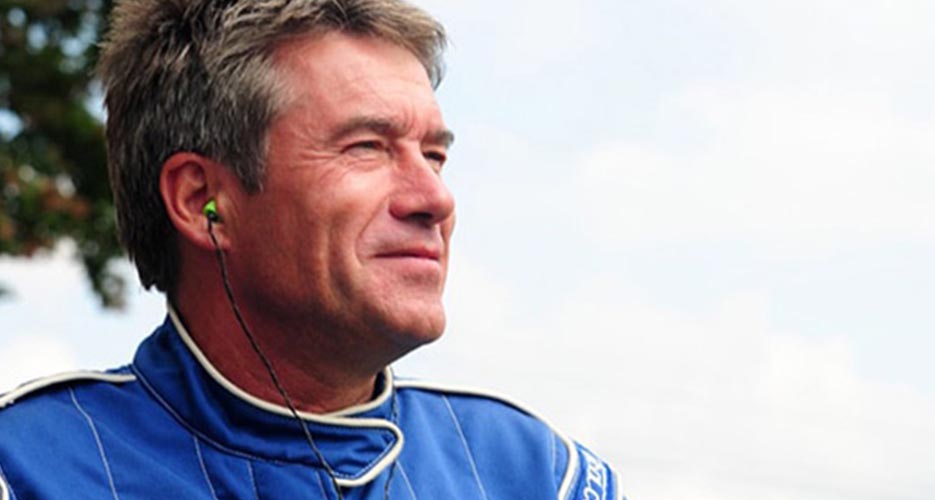
Racing at this infamous event at just 17 years old is beyond the wildest dreams of 99% of the world’s population; however, one driver from a small village in northern England managed to do just that. In 2009, Nigel Moore became the youngest Briton ever to compete at Le Mans. He would go on to have a varied and unconventional career in motorsport, becoming not only a star driver but an extremely hands-on team owner. Nigel remains a fascinating man with a captivating talent for driving anything with wheels and an engine. His unique journey through motorsport will be highlighted by expert opinions from former Formula One, Le Mans, and British GT Racing driver and TV Presenter Tiff Needell, and from some of Nigel’s closest colleagues with almost a decade of experience working alongside him, Oscar Carey and Jacob Cardini.
“He just has a level of confidence when he gets behind the wheel of anything that there’s no overconfidence, just completely knowing what he can do and just doesn’t have to think about it. It’s completely natural; he just goes and drives”
Nigel Moore, born in the small village of Knaresborough in 1992, was almost destined to be a racing driver. A family-owned kart track, small car circuit and a low-budget race team run by his dad, Simon, all the ingredients were there for a world-class racing driver. A racing family, however, doesn’t automatically equal Formula One stardom. Even for an upper-middle-class family with plenty of disposable income, the costs and sacrifices of international motorsport are absolutely eye-watering, echoing the cliché “The best way to make a small fortune in racing is to start with a large one and work down from there”. Tiff Needell was inclined to agree with this school of thought: “You only get a chance if your parents will pay £1 million for the first four years of your motorsport career.” With F1 seeming an impossibility from the word go, Nigel started his career as many high-level motorsport professionals do, with karting, after success at national and international levels. Nigel would transition to the “Ginetta Junior” Championship, which Lando Norris later won on his way up the ladder to Formula One World Champion. A dominant display in this championship by Moore, with 8 wins and a subsequent championship win in the Ginetta G50 in 2008, led to a campaign in the British GT championship in 2009. Entering an entirely different discipline resulted in similar levels of success, finishing 2nd in the Championship with a team that, by regulation, has to be a mixed bag of talent due to the motorsport governing body (FIA) implementing a driver ranking for GT drivers. Tiff Needell explains this as “you’ve got a bronze guy who’s a rich millionaire, who wants to go racing, paying for the silver or the gold boy to be a professional”
With such a glittering junior career, F1 calls surely wouldn’t remain unanswered for long. A brief transition to Formula Palmer Audi in 2010 resulted in another championship win for Moore. A scholarship to race in FIA Formula 2, the highest level of single-seater motorsport before F1, was awarded, but never materialised. Nigel was also nominated for the prestigious McLaren BRDC Young Driver of the Year award. The natural progression for most 18-year-old racing drivers at this point is to run towards the glitz and glamour of Formula 1. For Nigel, however, things would be quite different; the Moore family have one thing more important to them than being racing drivers: the family team, “Tockwith Motorsports”. Set up by dad Simon, eldest son Nigel was the natural heir to the team. “His dad’s passed the baton on to him. Now the team is his to run. So he’s got other responsibilities beyond just his own racing career now.” This draw of a team can also help explain why Nigel has been so drawn to endurance racing, a fact echoed by Jacob Cardini.
“Being so involved with the running of the team? With his dad and his mechanical mindset, he has a very strong appreciation for the extra elements of endurance racing. So, beyond just who can set the fastest lap, there’s the different skill sets of managing the car for the full length of the 24 hours, as well as dealing with traffic, backmarkers, nursing, any issues that you may have communications on the radio, just the extreme diversity in what can happen in an endurance race. And yeah, it’s something that requires an extra; there’s a lot more that you can get involved in and excel at”
Tiff Needell also echoed just how big a challenge modern endurance racing is for drivers. “But even so, the fitness, they’re supreme athletes now, and the mental concentration of overtaking, because the big skill now is not to lose time when carving your way through all the slower cars through the traffic. So it’s a huge skill they have nowadays.”
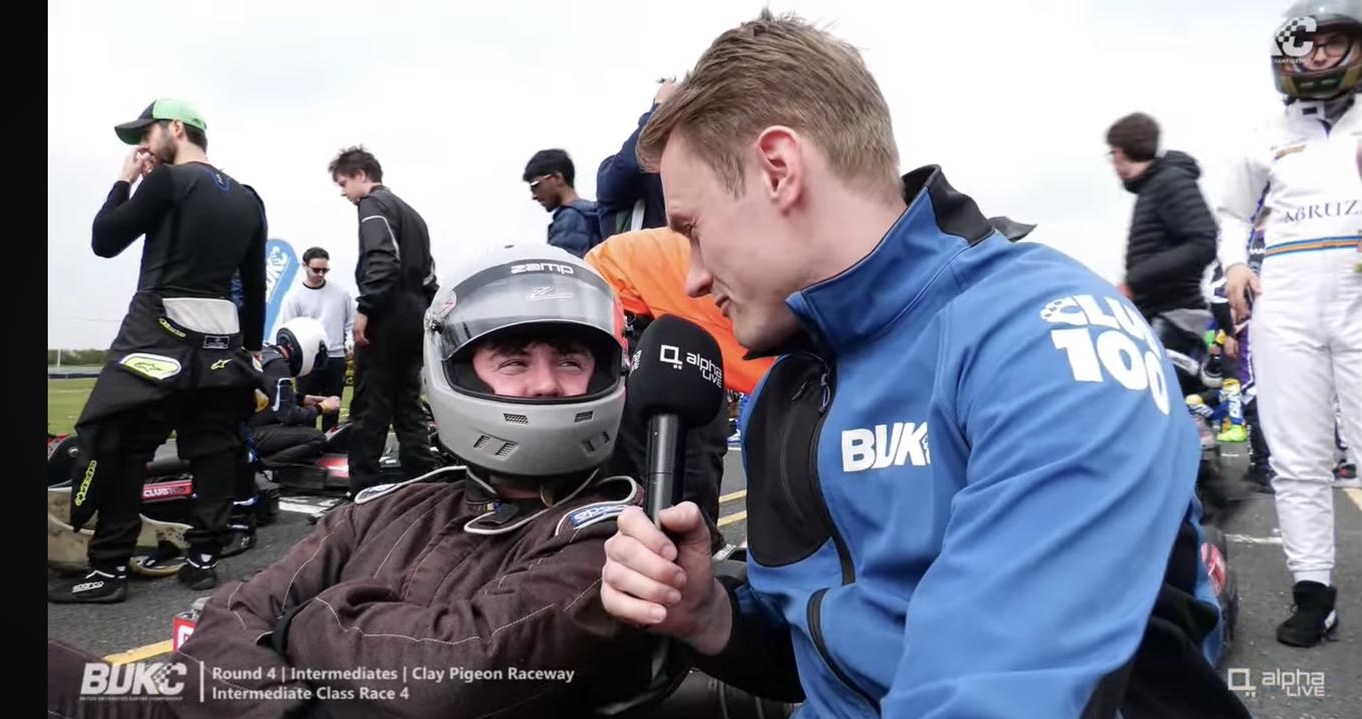
While Nigel’s career was unorthodox and not what many British motorsport fans expected, his love for motorsport, family and his team shine through, and he can still impress with his talent even in unconventional circumstances, need proof? Just ask Oscar Carey. “You should see him on a quad bike, especially at the Teesside 24-hour. He’ll have it up on two wheels. I remember going around corners thinking we can never make it at that speed, and yet we did!”


Leave a Reply